Habitat Recovery Project and The Water Institute Release Water Monitoring Plan for the Calcasieu Estuary
FOR IMMEDIATE RELEASE
[CAMERON, LOUISIANA — 20 Aug 2026] — Habitat Recovery Project (HRP) and The Community Resilience Center at The Water Institute (CRC) are proud to release the Calcasieu Estuary Fisheries Community Science Monitoring Plan (Plan), a framework developed over the past year through extensive research, field testing, and continued meetings, to better understand the health of the Calcasieu estuary and the fisheries that depend on it.
The Plan comes at the behest of local fishermen whose key insights from their lived experience on the water catalyzed HRP and the CRC to develop this project. Local fisherfolk have reported significant declines in catch, up to 85% in some cases, and concerns about the impacts of dredging, sedimentation, vessel traffic, and other environmental pressures. The Plan is designed to help systematically document these observations and pair them with established scientific and fisheries data to complete a more whole view of the health of the river.
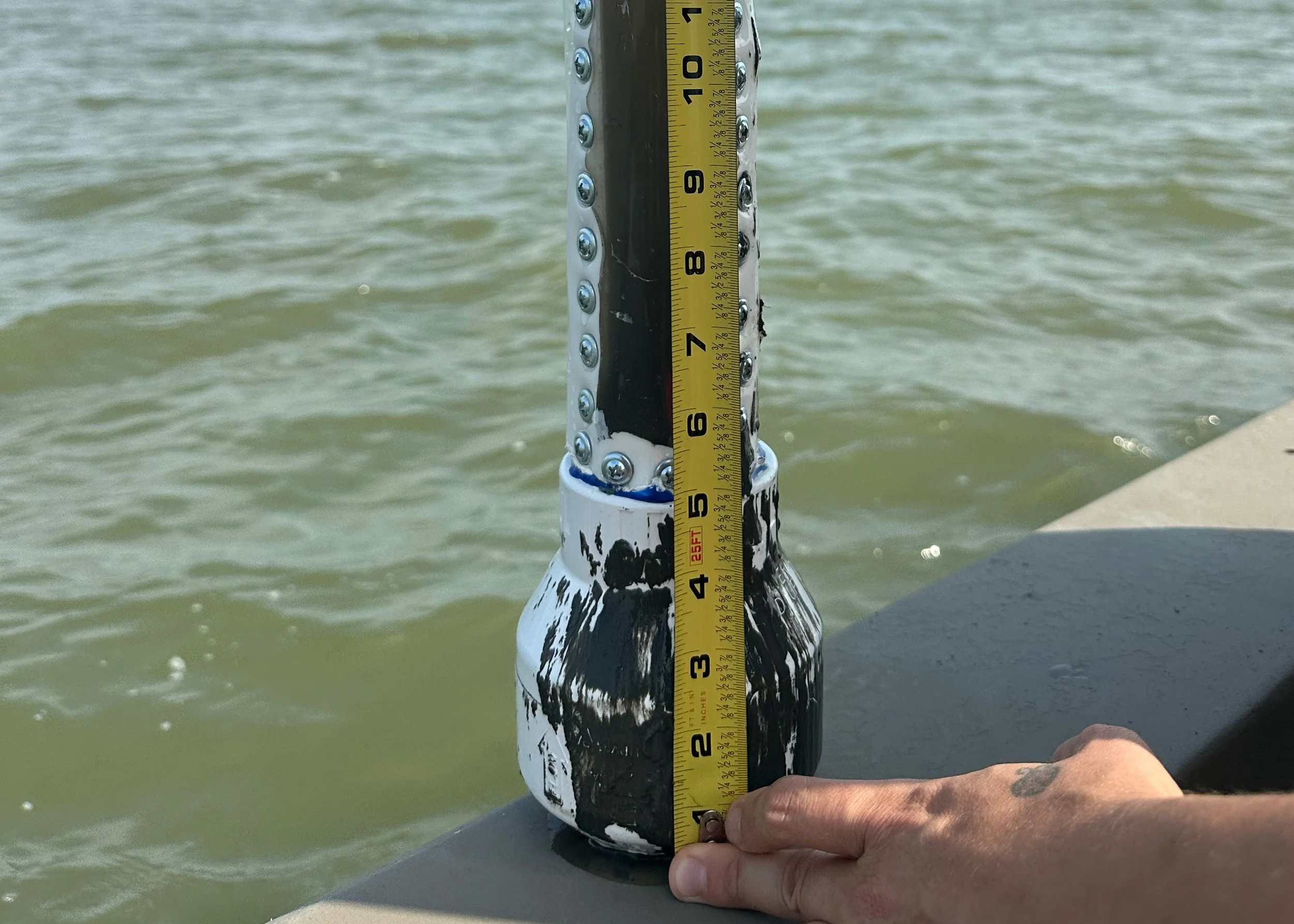
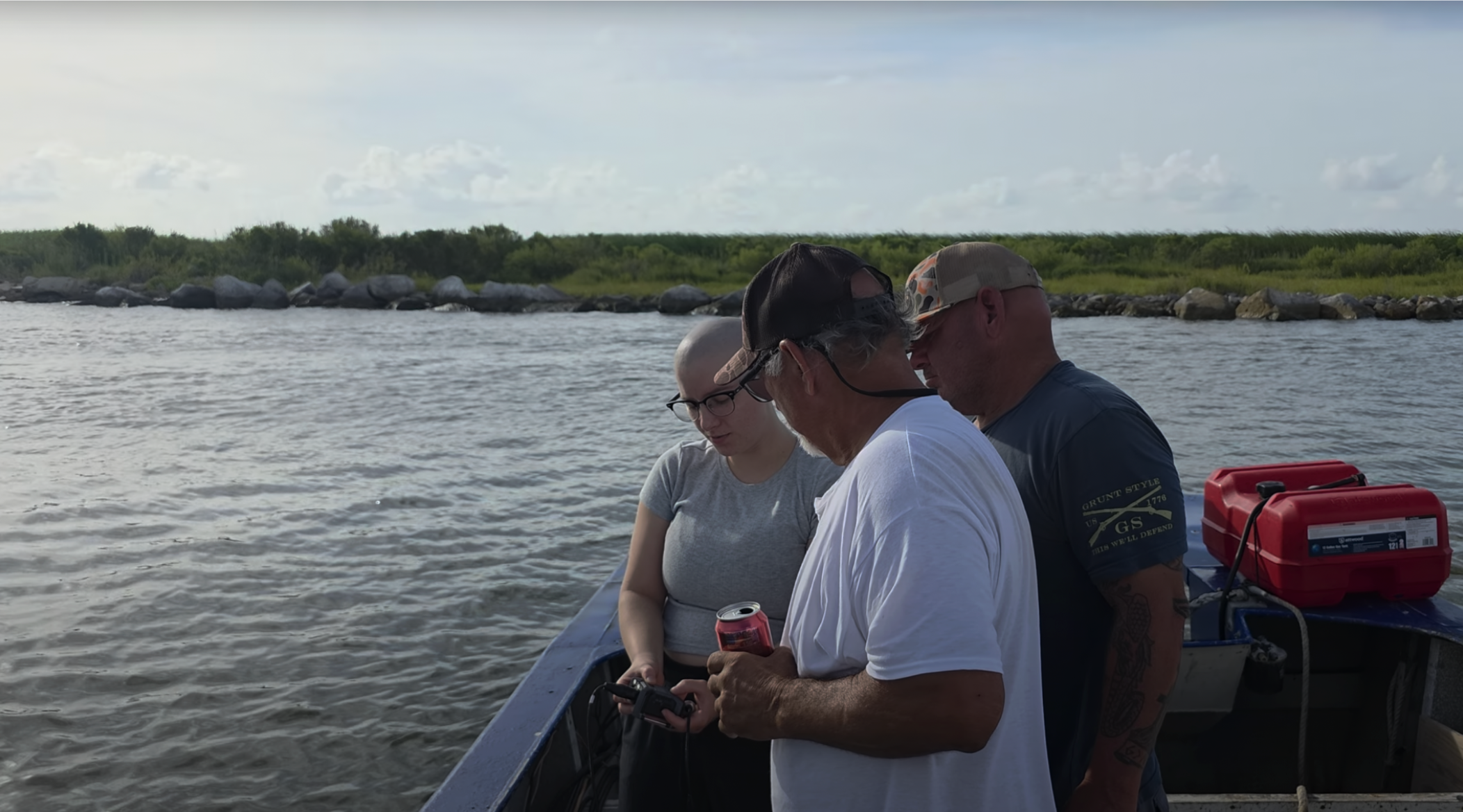
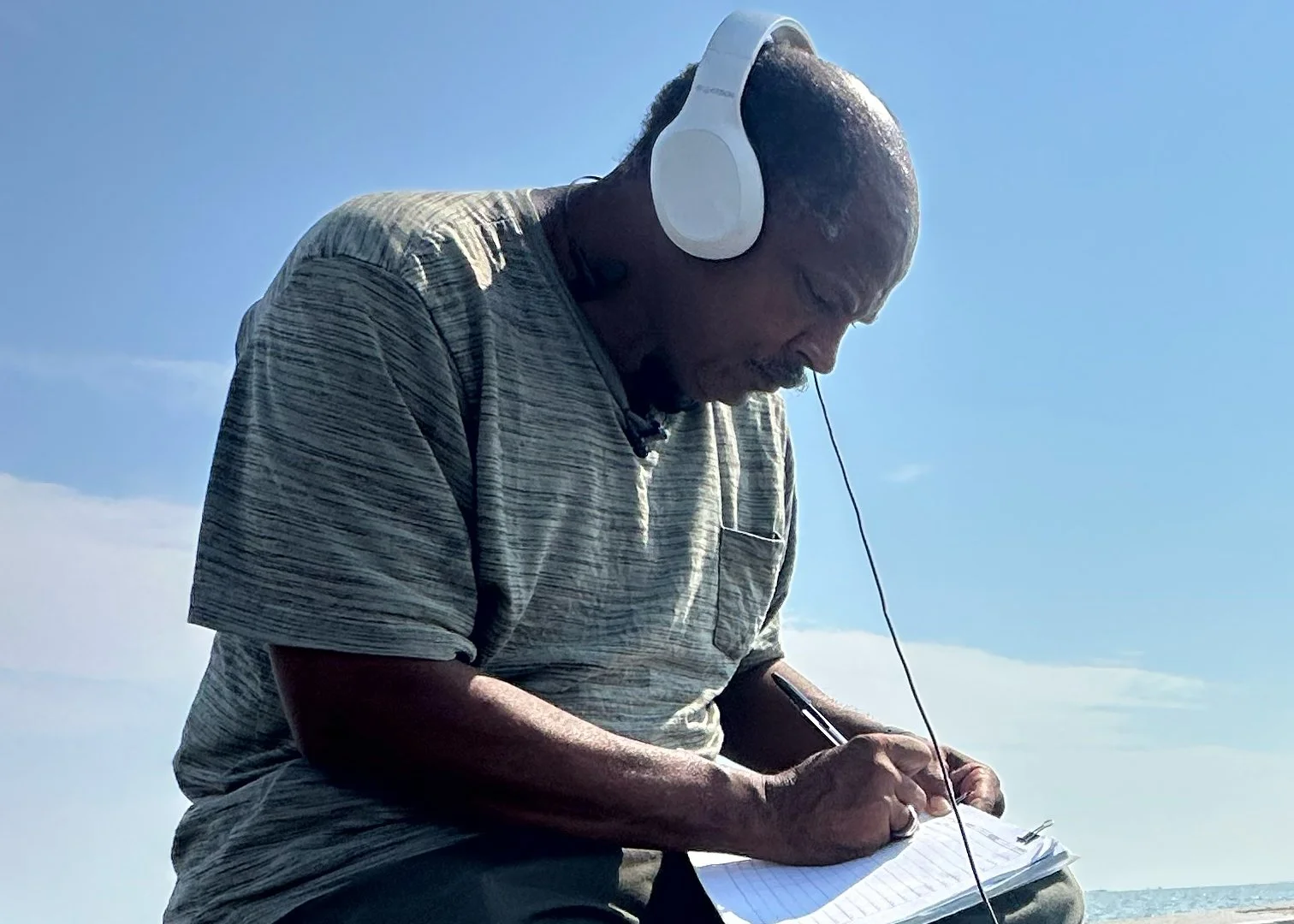
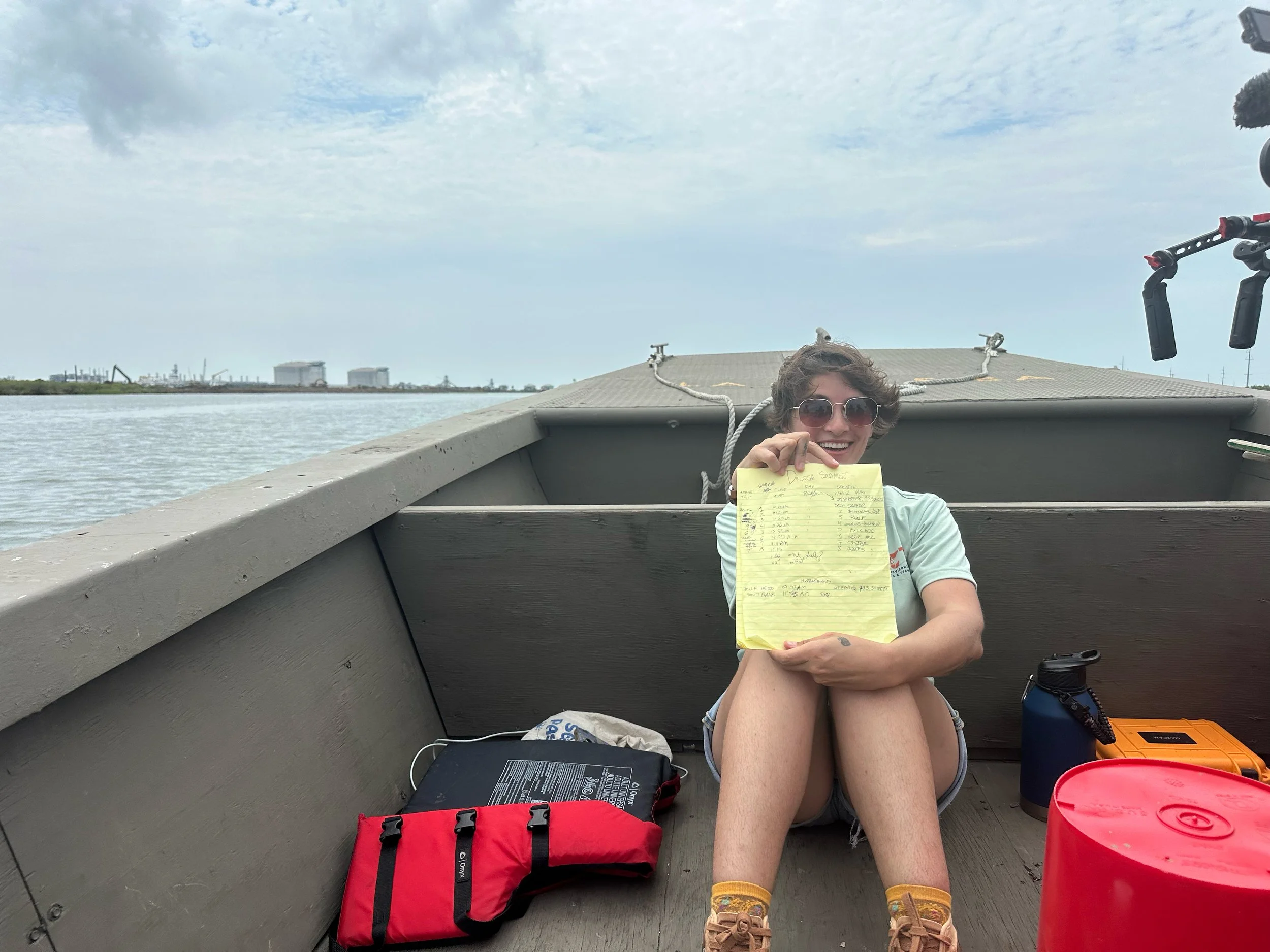
The monitoring Plan, created in collaboration with fisherfolk — advising through generational ecological knowledge — focuses on several key indicators of estuary health, including sedimentation, underwater noise, vessel impacts, salinity, and fishery productivity. Fisherfolk will play a central role in collecting observations and field data, while existing state datasets will be incorporated to provide broader context.
“Ask any fishermen in Cameron, and they will tell you, ‘You don’t want to stomp the bottom of the boat while fishing because you will scare the shrimp and fish away.’ What you think happens with pylon driving and other major sound events? That was the notion that started this all. The commercial fisher families of Louisiana have been on these waters for generations: they are the real experts. We are grateful to be working with them for the betterment of our shared waterways.”
— Alyssa Portaro, Executive Director of Habitat Recovery Project
This Plan intends to create a consistent, credible record of what is happening in the Calcasieu estuary and make that information useful to the people who live, work, and make decisions along the coast.
“There are critical data gaps on the health of Cameron’s ecosystems as they face one of the largest oil and gas build-outs in the state. The Plan started prior to the CP2 Dredge Disaster, which only served to highlight and stress the importance of empirical data. The impacts of rapid industrialization must be monitored so that we can look to a future where we make more environmentally sound, data-driven decisions for our communities.”
— Misha Mayeur, Deputy Director of Habitat Recovery Project
The release of this Plan is the beginning of the next phase of the work. HRP and local stakeholders are seeking funding and partnerships to put the monitoring program into practice and support participating fisherfolk in their roles as community scientists.
We invite local governments, the Coastal Protection and Restoration Authority (CPRA), state and federal agencies, researchers, industry, fisheries organizations, and anyone with a stake in the future of Cameron's fisheries and coast to support this effort.
The health of the Calcasieu estuary is tied directly to the health of the communities and fisheries that depend on it. With the right investment, this community-led monitoring program can provide the information needed to better understand changes in the estuary, identify emerging concerns, and help guide decisions about the future of Cameron's coast.
https://bit.ly/WaterMonitoringPlan
Media Contact:
Misha Mayeur, Deputy Director of Habitat Recovery Project, misha@habitatrecovery.org, 504-858-5819